Support That Understands You
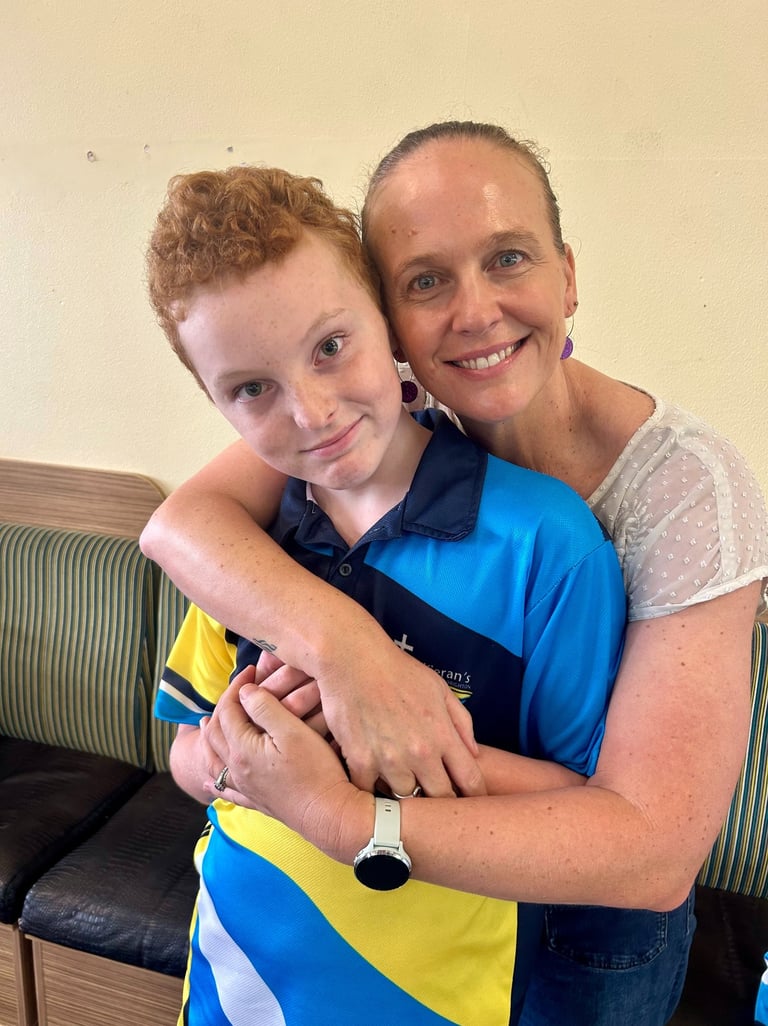
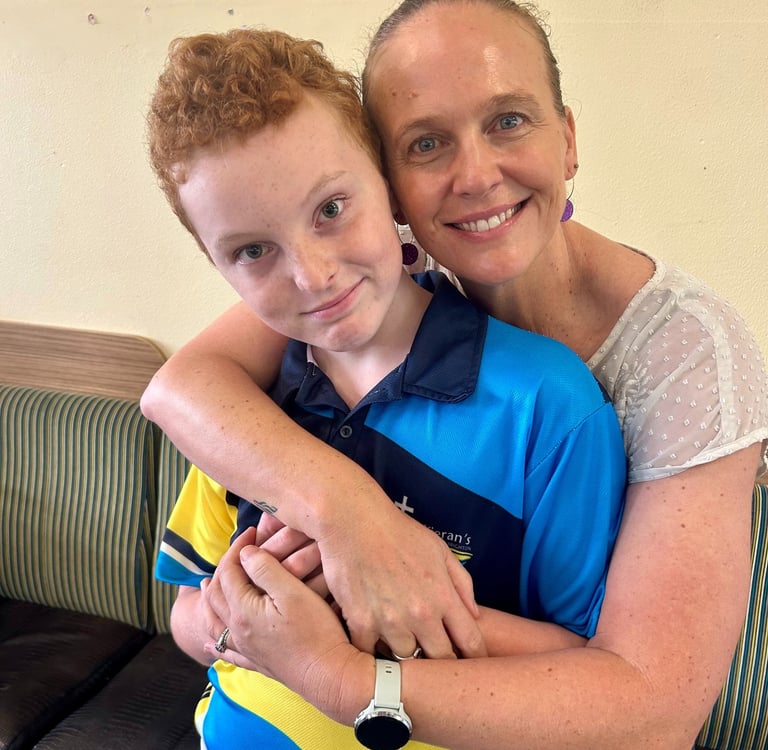
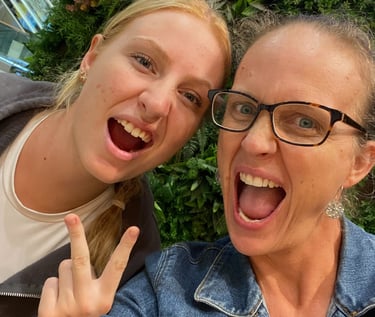
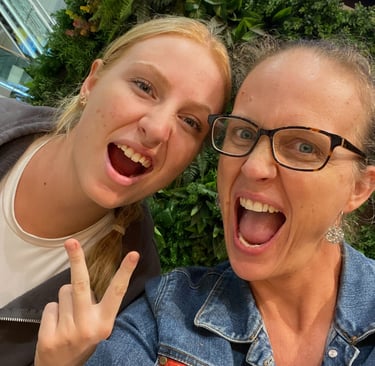
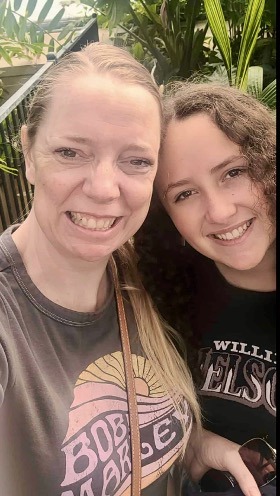
BRICKS was created by Karen O'Riordan and Ainsley Duncan, clinical practitioners from Being You Mental Health, a Brisbane based practice that focuses on providing mental health and disability support to individuals and families as well as professional support and education services.
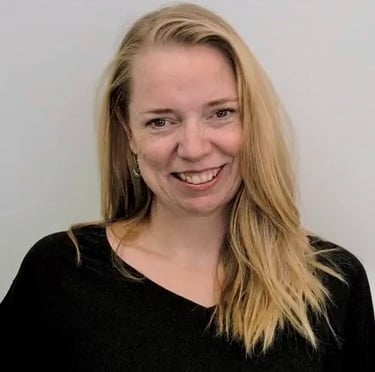
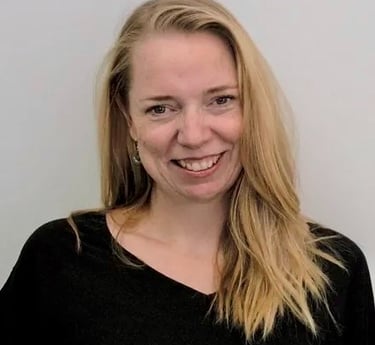
BRICKS Co-founders
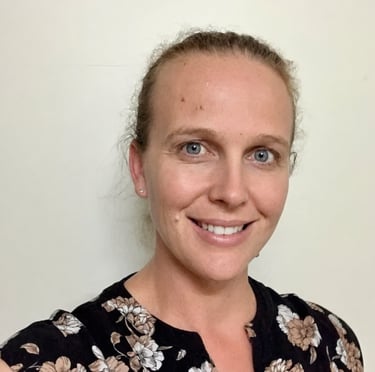
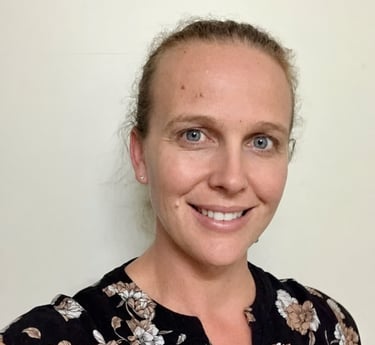
Our Team
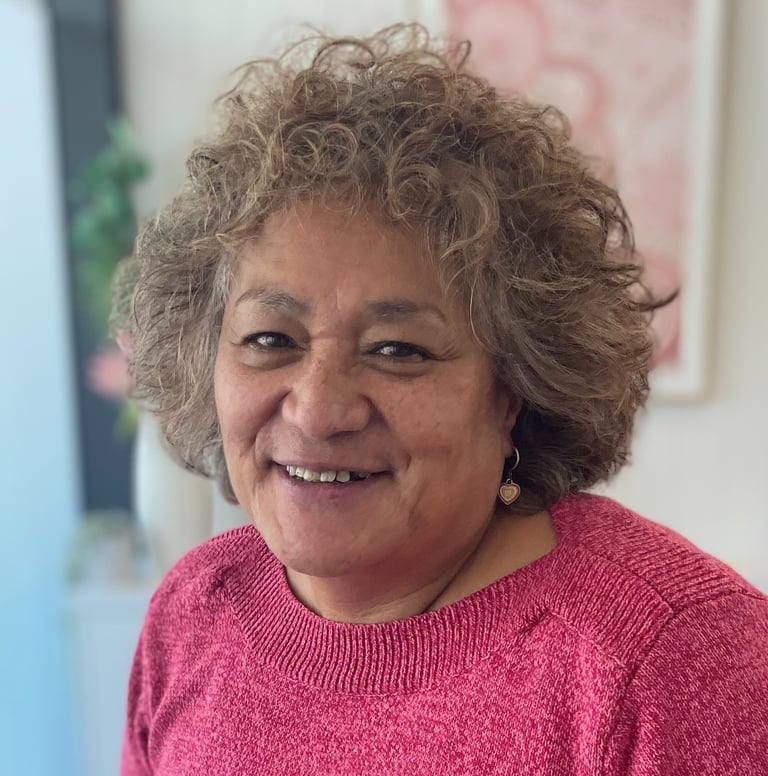
Nina Jenkins
Counsellor
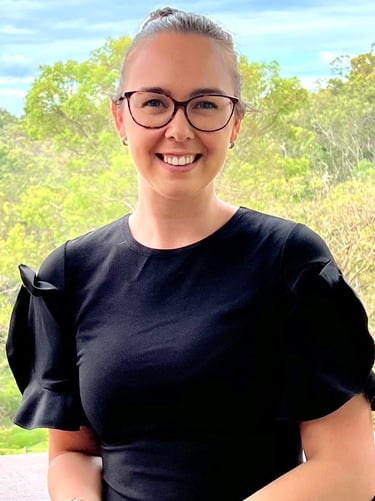
Elise Berber
Psychologist
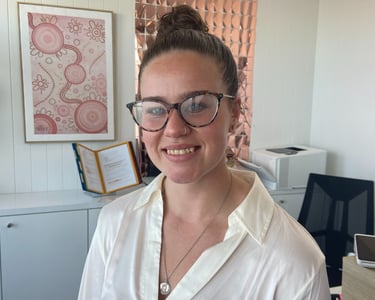
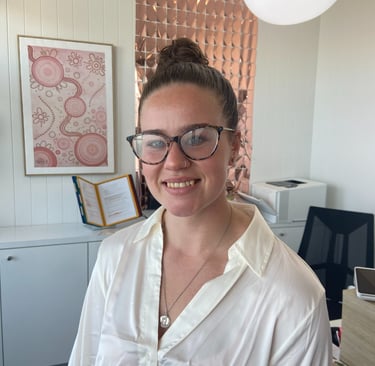
Abby Kirk
Psychotherapist
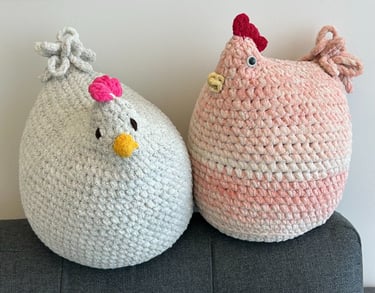
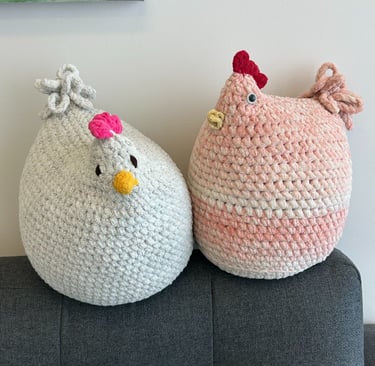
Shirley & Bertha
Therapy Chickens
Where it all began!
We often get asked the same question, “how did BRICKS come about?” Honestly, the full answer to that question could be an entire book on its own! To summarise the answer though is fairly simple. The development of BRICKS has been a 4 year labour of love. In reality, when you tease out the road each of us, and our team, have travelled to arrive at this place, you could say it has been a journey that spans our whole lives. Despite the love, BRICKS itself was actually developed out of frustration. Our own, our family’s, and our clients and their family’s. Hearing stories about doing the same therapy and intervention work for years and not feeling any long term, sustainable benefit generated frustration initially, but then cleared the way for curiosity to take over.
What if we could help people build awareness and understanding in a way that enables them to have agency over their lives and achieve the goals they believed were out of reach? Having our own neurodivergent children was an enormous inspiration to start finding answers, and this is how the working title of this model, The B Project, was born.
It didn’t take long to find inspiration amongst ourselves and our wonderful team, but mostly from the incredible people who walked through the door of our clinic seeking help. In seeking help from us, sharing their stories and experiences helped us in a way that is hard to put words to. Their openness, willingness to try things, share how it went (both good and bad), and their belief in us provided the road map we needed to do this work. To say we are grateful to them feels far from enough. BRICKS is a framework built from the real life experiences and insights of neurodivergent people interwoven with extensive research. It is an exciting way of approaching intervention and support. We truly hope you find it as powerful as we have.
What if there was a different way to approach supporting people with neurological differences?